

As a plumbing and drainage company, we see time and time again the impact different bath products have on drainage systems.
This guide will take you through the 5 most common bath products to avoid, the impact they have on your drains and alternatives you can use instead.
Bath Products You Should Probably Avoid
These are the top 5 bath products we recommend avoiding due to the increased probability that they will cause a drain clog.
Jelly Bath products
“Jelly baff” and other similar products are bath time play products that help encourage children to have fun in the tub. These products are usually in the form of a powder which is added to the bath water and turns it into a jelly or goo like texture. The issue with Jelly baths is that we’ve had many reports from people who are unable to dissolve or dilute the jelly bath water despite following the product’s instructions. The undissolved product can cause damage to your drainage system, especially over time with repeat usage of the product.
Bath jelly has a gelatinous texture that can cling to the inside of your pipes, and over time, the undissolved jelly and thickening additives can accumulate within the drainage system and cause or influence a blockage.
Bath Bombs
Bath bombs are popular as they are therapeutic, smell good, make the water look pretty by changing colour and overall improve the experience of taking a bath. Although bath bombs elevate your bathing experience, are they worth the plumbing problem and headache a bath blockage can cause?
Most bath bombs include oil and butter contents within the ingredients. These materials solidify within your drainage system and coat the inside pipes. Not only is this an issue in itself for your plumbing, but it also makes it easier for hair to get stuck within your pipes, increasing the risk of a blockage even further.
Many popular bath bombs also include other additives such as glitter, parts of flowers and confetti. Not only can these additives irritate your skin, but they are also terrible for your drainage system as they don’t dissolve in water. When the oils from the bath bomb turn cold and solidify within the pipes, the additives like glitter or flowers, will stick to the walls of your pipes.
Bubble Bath
Bubble bath is typically a liquid or powdered product which creates bubbles in the water. It’s a popular product, especially with parents when bathing their children. Although it makes bathing more pleasant, it’s important to remember the issues it may cause with your drainage system over time.
If bubble bath is used frequently, the foamy lather may linger within your pipes which can hinder the water flow. Some bubble baths have ingredients that include additives such as oils and waxes which will dry up to the walls of your pipes and also restrict water flow.
Coconut Oil
Many people love using coconut oil as a nourishing hair mask, and when finished tend to rinse it off in the shower. Like the other bathing products within this list, when the oil that goes down the drain turns cold and solidifies, it will stick to the walls of your drainage pipes.
Many people will value the skin benefits of coconut oil compared to the risk of drain blockages. If this is the case, we would recommend using the product less frequently than every bath you take. This way you will at least minimise the risk of causing a blockage over time.
Body and Face Scrubs
Body and face scrubs are exfoliating gels that are typically sugar or salt-based. Although they are amazing for your skin, they are the complete opposite for your drains.
The sugar and salt within the different body or face scrubs don’t dissolve in water. This means that the particles within your scrubs travel down your drain and over time they will build up and clog your bath.
If you use other products that include oils and waxes that solidify within the inside of the pipes, the sugar and salt will stick to the inside walls, alongside hair and dead skin cells. Eventually, the bath drain will clog as this is a disaster waiting to happen.
Bath Products Safer Alternatives
There are safer alternatives to these types of bath products that aren’t going to be as damaging to your drain pipes. To decrease the risk of any product clogging up your drain system then it’s best to rinse well after the use of any of these products. Using a drain catcher is also recommended to help stop anything travelling down the drains that shouldn’t.
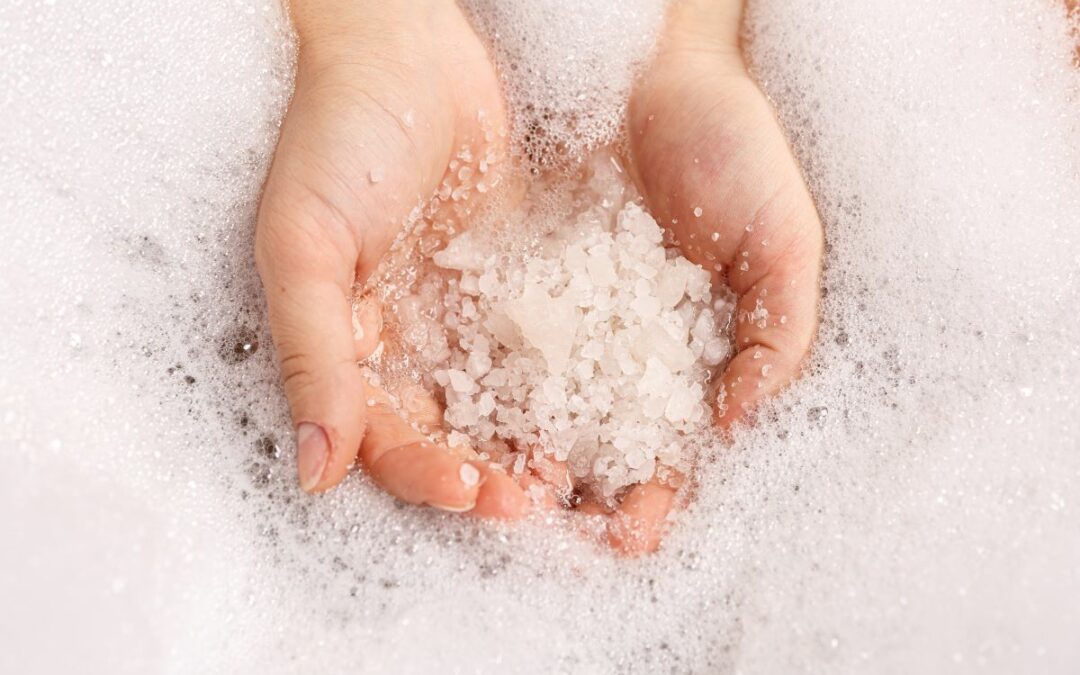
- Natural and homemade solutions such as essential oils and bathing salts
- Bath bombs or jellies that are free from oils, butter and waxes
- Liquid soaps that don’t stick to the pipes
Final Thoughts
If bathing products are something you enjoy using, you don’t have to completely stop using them. When possible, switch to safer alternatives such as homemade remedies or when purchasing store-bought bathing products, ensure they are free of oils and waxes. This will minimise the risks of a drain blockage occurring. If baths are a daily occurrence within your household, limiting the amount of bathing products used would be a wise idea.
Need a Drainage and Plumbing Expert?
Our drainage experts have over 30 years of experience. If you are having any issues with your plumbing and drainage, we offer various services for commercial and domestic clients.
We don’t have call-out charges and our experts are on hand 24/7, 365 days a year. Our highly trained engineers offer a 3-month guarantee with all services that we take on.
If you have any further questions, then contact us at 0117 466 8115.