

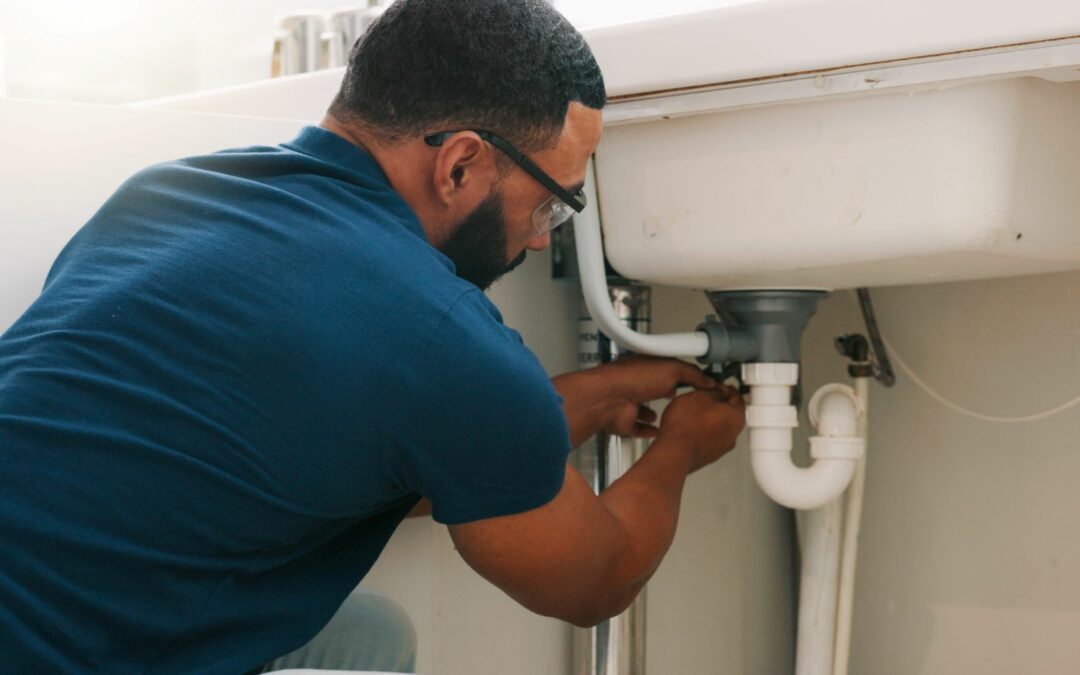
We’ve all been there, you’re settling in for the evening when you suddenly hear that annoying drip from the bathroom tap or realise your toilet won’t stop running. Plumbing problems always seem to strike at the most inconvenient times, and calling out a professional for every little issue can add up quickly.

The good news is that not every plumbing problem requires a callout. Many common issues can be resolved with a few simple plumbing fixes that you can confidently handle yourself. This article will focus on common plumbing problems such as running toilets, clogged drains, dripping taps, and leaky pipes, and how to address them at home. By developing your DIY skills, homeowners can save money by tackling simple plumbing jobs and diy projects independently, reducing the need for professional services. With basic tools and a bit of patience, you can stop leaks, unblock drains, and improve water pressure without needing professional help.

At Fastfix Drainage & Plumbing, we’re all for helping you save time and money with quick, reliable solutions. These plumbing fixes are suitable for a range of plumbing jobs and can be applied to various plumbing projects around the home. Regular plumbing inspections can catch potential problems before they escalate into costly repairs. So, let’s take a look at the most useful DIY plumbing fixes every homeowner should know.


1. Fixing a Dripping Tap

A dripping tap might seem minor, but over time it can waste litres of water and money. The constant dripping noise is also enough to test anyone’s patience.

Why it happens: In most cases, the cause is a worn washer or damaged O-ring inside the tap. These rubber parts are common fittings that create a watertight seal, but when they deteriorate, they let water slip through.

How to fix it: 

  • Start by turning off the water supply. 

  • Remove the tap handle and valve assembly using a screwdriver and adjustable wrench.

  • The tap contains internal valves that control water flow, so check these valves for any signs of damage or wear. 

  • Inspect the washer and O-ring fittings for signs of wear, then fit new ones of the same size securely to prevent leaks. 

  • Once reassembled, turn the water back on and check for leaks.

If the dripping stops, well done! You’ve just mastered one of the simplest yet most effective plumbing fixes there is.


2. Unclogging a Blocked Drain

Few things are more frustrating than a slow-draining sink or a shower that turns into a mini paddling pool. Clogged drains are a common plumbing problem in kitchens and bathrooms, often causing inconvenience and potential water wastage. The kitchen sink is a common place for blockages to occur, so it’s important to know how to address them. Luckily, clearing a blockage doesn’t always require harsh chemicals or a plumber.

Minor clogs in sinks, tubs, and toilets can often be cleared with a plunger or a drain snake. Clogged toilets, in particular, are a frequent issue that can usually be fixed with a plunger or plumbing snake.


The plunger method: 

Create a tight seal over the drain and plunge vigorously for 15–20 seconds. If you’re working on a sink, block the overflow hole with a damp cloth to improve suction. The pressure from the plunger helps break up the blockage in the drain. When the water drains freely, you’ve cleared the blockage. If the blockage persists, check the trap under the sink, as traps often collect debris and can be a source of clogs. Removing the plug from the kitchen sink can also help you inspect for blockages or clean out any buildup.

For stubborn clogs that don’t respond to plunging, try using a plumbing snake. Insert the plumbing snake into the drain and turn it to break through deeper blockages in the plumbing system. This tool is especially effective for slow drains or gurgling toilets and can help prevent plumbing emergencies. If you use chemical drain cleaners or any plumbing tools, always follow the instructions carefully to avoid damaging your pipes.


Natural drain cleaning: 

If plunging doesn’t do the job, try a natural solution. Pour half a cup of baking soda down the drain, followed by half a cup of white vinegar. Let it fizz for 20 minutes, then flush with boiling water. This eco-friendly method is perfect for clearing soap, grease, and organic buildup.

Regularly using this simple mix can help prevent future blockages, keeping your drains flowing smoothly.


3. Repairing a Running Toilet

A constantly running toilet can waste hundreds of litres of water a day, driving up your bill unnecessarily. This common plumbing fix is often needed because a faulty flapper valve or fill valve is usually responsible for the problem. Running toilets are frequently caused by a faulty flapper valve or float, so be sure to check these components. If adjusting or replacing the flapper valve does not resolve the issue, inspect the fill valve and replace it if necessary to ensure the toilet functions correctly.


Check the float:

If the float is set too high, water continually flows into the overflow pipe. Adjust it so the water level sits about an inch below the overflow.

Replace the flapper valve:

If the problem persists, your flapper valve could be worn or warped. Turn off the water supply, remove the old flapper, and replace it with a new one. It’s a quick job that often solves the issue instantly.

By handling this simple plumbing fix, you can stop the constant running sound and stop wasting water.


4. Improving Low Water Pressure

Low water pressure can make showers less enjoyable and slow down everyday tasks. Low water pressure can affect both hot and cold water lines, and is often caused by sediment buildup in faucets or shower heads. It’s important to check both when troubleshooting. Thankfully, this is one of the easiest plumbing fixes to tackle.

Clean your aerators and showerheads: Unscrew the aerator from your tap or the showerhead from the wall. Soak the parts in white vinegar for 30-60 minutes to dissolve any limescale buildup. Give them a quick scrub with an old toothbrush, rinse, and reattach.

Regularly cleaning aerators and showerheads helps maintain consistent water pressure. If cleaning does not resolve the low water pressure, corroded pipes may be the cause and could require professional repair or replacement.

This quick clean often restores normal flow and prevents the issue from returning, especially in hard water areas.


5. Stopping Minor Pipe Leaks

Leaky pipes can cause significant damage if not addressed quickly, and even a small pipe leak can feel like an emergency. If left untreated, leaks may result in further damage to your plumbing system and even structural issues in your home. With the right materials, you can make a temporary repair until professional help arrives. Always check all pipe connections for leaks to ensure a watertight seal and prevent further issues.

Leaky pipes can often be temporarily fixed with pipe repair tape: Turn off the water, dry the area around the leak, and wrap self-amalgamating pipe repair tape tightly over the damaged section. This creates a waterproof seal that holds until you can arrange a full repair.

Alternatively, you can use epoxy putty for slightly larger leaks. Mould it around the damaged area, let it harden, and restore your water supply once secure.

Regular maintenance and inspecting for leaks can help prevent plumbing issues from worsening, restore normal water pressure, and save on utility bills. While these temporary fixes can buy you time, if the leak worsens or keeps coming back, don’t hesitate to contact us. Failing to address leaks promptly can lead to flooding and water damage. We’ll make sure it’s repaired properly to prevent future damage.


6. Replacing a Showerhead

Installing a new showerhead typically requires only basic tools and thread sealant tape, making it an easy plumbing fix for most homeowners.

Unscrew the old showerhead, clean the threads on the pipe, and wrap them with PTFE tape to prevent leaks. When you install the new showerhead, make sure to create a secure connection between the showerhead and the pipe by screwing it on by hand and giving it a gentle final tighten with a wrench if necessary. Turn the water on and check for leaks, and enjoy your refreshed shower!

This quick update not only improves water flow but can also give your bathroom a subtle upgrade.


When to Call in the Professionals

While these plumbing fixes are perfect for smaller household issues, some problems, such as plumbing emergencies, require immediate professional attention. The most common plumbing problems, like persistent leaks, burst pipes, or recurring blockages, often indicate underlying issues within your plumbing system that may need expert intervention. Complex installations and larger plumbing projects also require a professional plumber due to the complexity and potential need for permits. A professional plumber is familiar with the process of obtaining permits and ensuring compliance with local regulations. Regular maintenance can extend the life of plumbing fixtures and save on utility bills, and annual plumbing inspections are recommended to maintain a well-functioning plumbing system.

At Fastfix Drainage & Plumbing, we offer a comprehensive range of plumbing services, including maintenance, repairs, inspections, and installations, to address all your residential plumbing needs. If you’re unsure about any aspect of your plumbing projects, you can always seek advice from a professional. We suggest contacting Fastfix for guidance on your plumbing projects. Whether it’s emergency plumbing, blocked drains, or full system repairs, our team has the tools, expertise, and experience to get your home back to normal safely and efficiently.


Need Help with Your Plumbing?

If you’ve tried these plumbing fixes and still have a problem, we’re just a call away. At Fastfix Drainage & Plumbing, we provide quick, reliable plumbing and drainage services across your area, helping you keep your home safe, efficient, and leak-free.

Get in touch today to arrange your plumbing repair or maintenance visit.


Frequently Asked Questions

What are the most common DIY plumbing fixes?

Common fixes for simple plumbing problems include repairing dripping taps, unblocking drains, fixing running toilets, improving water pressure, sealing small pipe leaks, fitting or repairing baths, and modifying or installing pipework. Many homeowners can try fixing simple plumbing problems themselves, but professional help may be needed for more complex issues.

Can I really fix a dripping tap myself?

Yes, most dripping taps can be fixed by replacing a worn washer or O-ring. Before starting any repairs, it’s important to identify the specific plumbing issue to ensure the correct fix. It’s a quick job that saves both water and money.

Is baking soda and vinegar safe for my drains?

Absolutely. It’s a natural, non-toxic way to dissolve grease and soap build-up, helping to prevent blockages without harsh chemicals.

How often should I clean aerators and showerheads?

Every few months, especially if you live in a hard water area. Regular cleaning helps maintain consistent water pressure. Additionally, performing a leaks check during your routine can help restore normal water pressure and prevent further plumbing problems.

When should I call a plumber?

If you have a major leak, burst pipe, or repeated issues that DIY fixes can’t solve, contact us for a fast, professional solution. A sudden increase in your water bill can also indicate hidden leaks or other plumbing issues that require prompt attention.

What plumbing tools do I need for basic DIY plumbing fixes?

For most basic DIY plumbing jobs, you’ll need essential plumbing tools such as adjustable wrenches, pliers, a pipe wrench, and a set of screwdrivers. Most simple tasks can be completed with basic tools found in most households. Having the right tool for each job is important; pipe cutters are especially useful for making clean, precise cuts in pipework. Using the correct plumbing tools ensures your repairs are safe and effective.

How do I deal with waste pipes when installing a new bath or sink?

Waste pipes play a vital role in draining water from baths, sinks, and other fixtures. When installing a new bath or sink, ensure the waste pipes are properly connected and secured to maintain efficient drainage and prevent leaks. Additionally, check that the drain line is properly installed and clear of obstructions to avoid clogs and ensure smooth water flow. Properly plumbed waste pipes are essential for a successful DIY project.

Why does my radiator have cold spots?

Cold spots on a radiator are often caused by trapped air or sludge build-up, which obstructs the flow of hot water and leads to uneven heating. Bleeding the radiator releases the trapped air and helps restore even temperature throughout the radiator, improving the efficiency of your central heating system.

What is the cost difference between DIY and hiring a professional plumber?

DIY plumbing can significantly reduce the cost of simple jobs, especially if you already have the right tools. By handling minor repairs yourself, such as fixing leaks or replacing washers, homeowners can save on labour costs. However, for complex projects, hiring a professional may be more suitable to ensure the job is done safely and correctly.